The Complete Wool Coat Buying Guide: How to Choose the Right One

Investing in a high-quality wool coat is one of the most important wardrobe decisions you will make for a Canadian winter. A well-crafted wool coat offers an unmatched blend of sophisticated style, structural elegance, and essential cold-weather warmth whether you're braving a Toronto January or a damp Vancouver commute. This comprehensive buying guide will walk you through everything you need to know from decoding fabric blends and weaves to mastering the perfect tailored fit so you can confidently choose a piece that will last for years.
Why Wool Still Wins Winter

When temperatures drop, nothing beats the reliable performance of a classic men's wool coat. Genuine wool is nature's ultimate insulator. It offers incredible natural warmth, excellent wind resistance, and a timeless, structured aesthetic that outlasts fleeting fashion trends. Whether you are dressing for a Bay Street office, navigating icy city commutes, or elevating your everyday casual wear, a beautifully tailored women's wool coat provides sharp structure without adding unnecessary bulk.
Furthermore, wool has moisture-wicking properties, meaning it continues to keep you warm even if it gets slightly damp from light snow or Pacific coast rain. If you want a single, versatile outerwear piece that does it all through a Canadian winter, wool remains the benchmark.
Fabric 101: Understanding Wool Blends
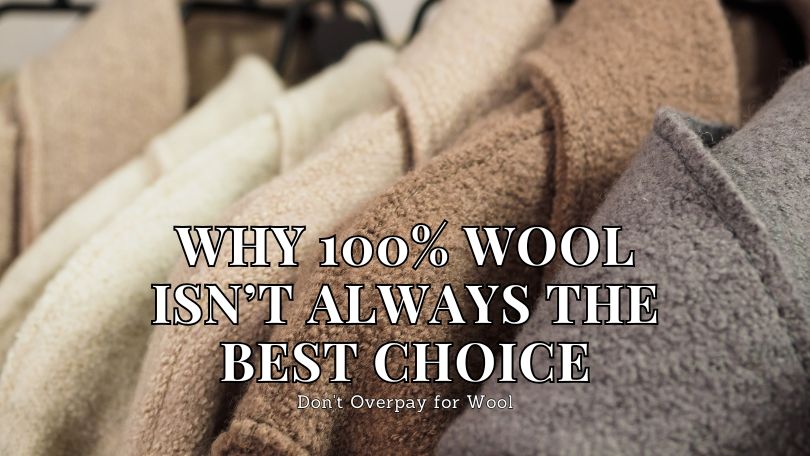
When shopping for outerwear, you will often encounter terms like pure wool, cashmere, and wool-blends. Wool-blend coats combine the natural warmth and breathability of pure wool with synthetic fibres (like polyester or nylon) to enhance lightness and durability. This makes them exceptionally practical for daily, heavy-duty use. Added fibres improve overall comfort, drastically reduce wrinkling, and make maintenance significantly easier ideal features for frequent travellers and daily commuters riding the TTC or SkyTrain.
Weave & Weight: What Actually Keeps You Warm
The type of wool weave drastically affects both the texture of the coat and its insulating properties. Here are the three most common weaves you should look for:
- Melton: This is a highly dense, tightly woven, and smooth fabric. Because it actively blocks cold air, Melton is traditionally used in the absolute warmest wool coats, military-style peacoats, and heavy overcoats the weave of choice for prairie winters.
- Twill & Herringbone: Known for their distinct, elegant diagonal or V-shaped weaves. These are classic, slightly softer, and offer a highly textured, premium appearance.
- Brushed: Soft, cozy, and highly textured. Brushed wool is incredibly comfortable and ideal for more relaxed, casual coat styles.
Fit & Sizing: How a Wool Coat Should Fit
A high-quality coat loses its impact if the fit is sloppy. Use this checklist to ensure a sharp, tailored look:
- Shoulders: The shoulder seams must align perfectly with your natural shoulder bone. There should be no drooping, nor should the fabric strain when you cross your arms.
- Chest & Torso: Allow for 1.5 to 2.5 inches of ease. This extra room is crucial so you can comfortably layer a thick sweater or a blazer underneath without looking stuffed essential for Canadian layering.
- Sleeves: The sleeves should end exactly at your wrist bone, or be tailored to half-cover your shirt cuff, keeping your wrists warm while allowing a hint of layering to show.
- Length Mid-Thigh: The most versatile length, perfect for everyday wear and seamless transitions from day to night.
- Length Knee-Length: The traditional choice for formal overcoats, offering maximum warmth, wind protection, and professional coverage.
- Length Cropped (Peacoat Length): Offers a more agile, modern, and rugged silhouette that pairs effortlessly with denim.
For the most accurate fit possible, we strongly recommend referencing our detailed guide on how to measure your jacket size before ordering.
Warmth Features That Actually Matter
Beyond the wool exterior, the internal construction dictates how well a coat performs in freezing weather:
- Lining & Insulation: Look for a quilted or insulated inner lining for extreme temperatures and subzero wind chill. Viscose or silk linings offer easier layering and breathability for milder West Coast winters.
- Closure Systems: Double-breasted designs and hidden storm plackets overlap the fabric across your chest, essentially double-layering the wool to trap core heat.
- Collar & Throat Latch: A wide, stand-up collar or an integrated throat latch is essential for shielding your neck from biting winter winds.
- Pockets: Deep, fleece-lined hand-warmer pockets provide instant comfort and functionality on freezing mornings.
Colour & Styling: Easy to Wear, Hard to Beat

Choosing the right colour ensures your coat integrates seamlessly with your existing wardrobe. Here is a quick styling breakdown:
| Category | Colours & Patterns | Style Notes |
|---|---|---|
| Classic Shades | Black, Navy, Grey, Camel | Highly versatile, timeless tones that pair flawlessly with everything from casual weekend denim to sharp, formal business wear. |
| Seasonal Favourites | Brown, Burgundy, Rust, Herringbone | Rich, earthy seasonal hues and subtle woven textures that add incredible depth, personality, and warmth to your cold-weather look. |
Expert Outfit Ideas:
- The Office Professional: A knee-length navy overcoat layered over a grey cashmere knit, finished with polished leather dress boots ready for any downtown boardroom.
- Smart Casual Weekend: A mid-length camel wool coat paired with dark selvedge denim and crisp white leather sneakers perfect for brunch in the Distillery District.
- Evening Out: A sharp black double-breasted overcoat over black jeans and suede Chelsea boots for a sleek, monochromatic aesthetic.
Peacoat vs Overcoat: Which One is Right for You?
Understanding the difference between these two classic silhouettes is key to nailing your winter style:
- The Peacoat: Traditionally cropped at the hips with a broad, double-breasted collar. It is inherently more casual, rugged, and historically nautical. It is the perfect grab-and-go jacket for pairing with chunky sweaters, jeans, and heavy winter boots.
- The Overcoat: Longer (falling to the mid-thigh or knee), more tailored, and highly structured. It is the ideal choice for formal events, business commutes, or sophisticated city wear. If you are purchasing your very first winter wool coat, the overcoat is widely considered the most versatile and elegant pick.
Care Tip: To ensure your new investment lasts over a decade, store it on a wide, sturdy hanger through the off-season, brush it regularly, and let it air out fully after damp days.
Ready to Upgrade Your Winter Wardrobe?
Explore our full range of premium real wool coats tailored men's wool coats and overcoats and elegant women's wool coats and wrap coats with free shipping across Canada, from Victoria to St. John’s.
Frequently Asked Questions (FAQs)
How warm are wool coats?
How can you tell if a wool coat is high quality?
Are wool coats okay in the snow?
How to choose a warm wool coat?
Do wool coats wrinkle easily?
How cold is too cold for a wool coat?
Is a 100% wool coat heavy?